
The Alarming Decline of Life Expectancy in the US: A Wake-Up Call
05/14/2024
In a world where advances in medicine and technology promise ever-increasing lifespans, the latest data on life expectancy in the United States delivers a sobering shock. Imagine a newborn in 2021, expected to live just 76 years, a stark decline from the nearly 79 years predicted for those born just two years earlier. This dramatic fall, reminiscent of the worst declines seen in the 1920s, prompts urgent questions about the underlying causes and what can be done to reverse this troubling trend.

A Historical Perspective: From Progress to Regression
For most of the past century, the trajectory of American life expectancy has been one of steady ascent. In 1900, the average life expectancy was a mere 47 years, climbing to 68 by mid-century, and nearly reaching 79 by 2019. These figures reflect not only advancements in healthcare and living standards but also the resilience of a nation. Yet, the pandemic years of 2020 and 2021 marked a disturbing reversal. Life expectancy dropped to 77 years in 2020 and plummeted further to just over 76 in 2021, representing the largest two-year decline in a century.
Beyond Castor Oil
Castor oil is highly prized for its industrial applications, particularly in the production of lubricants. However, its source, the castor plant, is fraught with challenges. Not only is it banned in the U.S. due to the presence of ricin, a lethal toxin, but it also poses environmental and cultivation difficulties. The WSU team’s breakthrough presents a safer and more efficient alternative by potentially transferring the oil-producing capabilities to more manageable and safer crops.
The Major Culprits: COVID-19 and Drug Overdoses
The primary drivers of this decline are no mystery. COVID-19, the most severe pandemic in recent memory, has claimed over a million lives in the US alone, disproportionately affecting vulnerable populations. Simultaneously, the opioid epidemic has ravaged communities, with drug overdoses becoming a leading cause of death. Together, these factors account for about two-thirds of the recent drop in life expectancy
But the story doesn’t end there. Other significant contributors include heart and liver disease, accidental injuries, and suicides. Despite some improvements in reducing deaths from chronic lung disease, pneumonia, influenza, and Alzheimer’s, these gains were insufficient to offset the larger wave of mortality.
Disparities in Decline: A Closer Look at Affected Groups
The impact of this decline is not uniformly distributed. Certain groups have experienced far more severe drops in life expectancy than others, revealing deep-seated inequities in American society. The life expectancy for American Indian and Alaska Native populations fell by a staggering 6.6 years, bringing their average down to 65.2 years—comparable to the national average in 1944. Hispanic Americans saw a 4.2-year decline, Black Americans 4.0 years, white Americans 2.4 years, and Asian Americans 2.1 years.
These disparities are not merely statistical anomalies but reflections of broader social determinants of health. Populations with shorter life expectancies often face higher levels of poverty, food insecurity, and limited access to healthcare. They are more likely to work in high-risk jobs that cannot be done remotely, live in crowded conditions, and have less access to vaccinations—all factors that increase vulnerability to COVID-19 and other health threats.
The Geographic Dimension: State-by-State Variations
Life expectancy also varies widely across different states, suggesting that local policies and environmental factors play significant roles. Southern states, for instance, tend to have lower life expectancies, which may be influenced by factors such as political decisions regarding healthcare access, vaccination rates, and broader social determinants of health.
While life expectancy is a crucial measure, it is not the sole indicator of a population’s health. Other metrics, such as infant and maternal mortality rates, vaccination and cancer screening rates, and the number of healthy years lived, also provide important insights. Nevertheless, the recent decline in life expectancy is a glaring signal that something is amiss.
Reversing the Trend: A Call to Action
Reversing this downward trend is possible but requires concerted effort. Addressing the COVID-19 pandemic and opioid crisis head-on is essential. But beyond these immediate threats, broader systemic changes are needed. Public health initiatives must focus on reducing inequities and improving access to healthcare, particularly for marginalized communities. Expanding Medicaid and other health services in states with high uninsured rates could make a significant difference.
Individually, we can all strive to adopt healthier lifestyles, but real change will come from collective action and policy reforms. Our public health and political leaders must prioritize the health of all citizens, especially the most disadvantaged, to ensure that the US does not continue down this troubling path.
In the end, while we cannot predict our individual expiration dates, we should strive for a society where those dates are pushed further into the future, reflecting a healthier, more equitable world.
Unlocking Nature’s Secrets: A Breakthrough in Oil Biosynthesis
04/13/2024
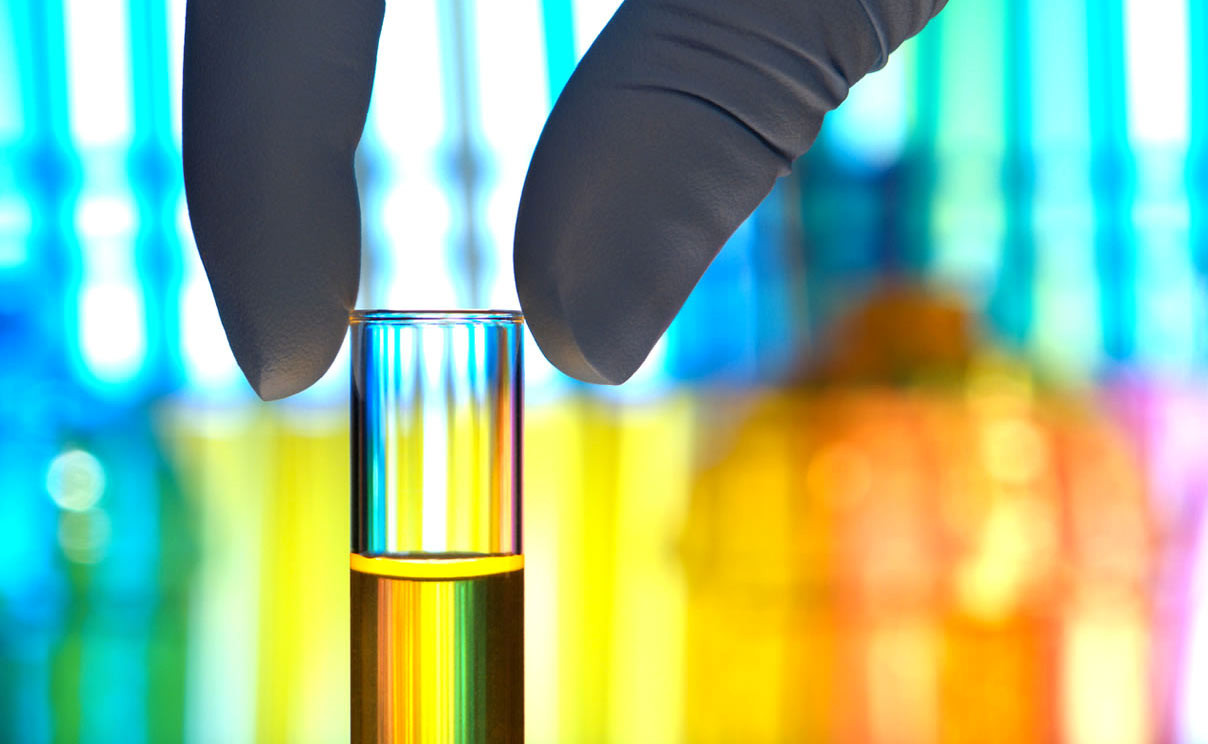
In a groundbreaking discovery, researchers from Washington State University have unlocked a novel mechanism of oil biosynthesis, offering a tantalizing glimpse into the future of plant oil production. This breakthrough not only advances our understanding of plant biochemistry but also holds the potential to revolutionize industries that rely on plant-derived oils, from food and pharmaceuticals to biofuels and industrial lubricants.
The Discovery
The study, published in Nature Communications, details how scientists uncovered a previously unknown ability of the plant Physaria fendleri to alter the fatty acid composition of its seed oil even after it has been synthesized. This discovery was spearheaded by Phil Bates, a professor at WSU, who, along with his team, identified the genetic mechanism behind this unique capability. By genetically engineering a related model plant, *Arabidopsis thaliana*, the researchers were able to replicate this oil composition change, producing significant amounts of oil similar to castor oil—a feat that was previously unattainable.
Beyond Castor Oil
Castor oil is highly prized for its industrial applications, particularly in the production of lubricants. However, its source, the castor plant, is fraught with challenges. Not only is it banned in the U.S. due to the presence of ricin, a lethal toxin, but it also poses environmental and cultivation difficulties. The WSU team’s breakthrough presents a safer and more efficient alternative by potentially transferring the oil-producing capabilities to more manageable and safer crops.
Overcoming Metabolic Bottlenecks
Historically, attempts to engineer plants to produce novel oils have been met with limited success, often yielding only trace amounts of the desired product. Bates and his team, however, have managed to overcome these metabolic bottlenecks. The genetically modified Arabidopsis plants demonstrated a remarkable ability to produce significant quantities of valuable oils, suggesting that the new mechanism can effectively bypass previous limitations.
“We’ve always thought that when plants accumulate oil during seed development, that’s the end product,” Bates explained. “But we found that Physaria, after making oil, removes some of the fatty acids within the oil and replaces them with others.”
Implications and Future Directions
The implications of this discovery are vast. By enabling plants to efficiently produce diverse types of seed oils, this technology could reduce reliance on less sustainable or hazardous crops. Moreover, it opens the door to enhancing the nutritional value of edible oils and developing new biofuels, including aviation fuels, which are in high demand as the world seeks greener energy solutions.
“We can use this new biosynthetic process as a tool to change oil composition,” Bates said. “We’re at the starting point of putting this into crop plants. We want to eventually produce healthy fatty acids beyond industrial uses.”
The research team is now investigating whether other plants might possess similar oil remodeling capabilities. If such traits are widespread, it could signal a major shift in agricultural practices and industrial oil production, paving the way for crops that are tailored to specific industrial and nutritional needs.
Collaborative Efforts and Funding
This pioneering research was a collaborative effort involving the Bates lab, the Smertenko lab at WSU, and two labs from the U.S. Department of Agriculture. The project received funding from the USDA National Institute of Food and Agriculture, the National Science Foundation, and the U.S. Department of Energy, underscoring the broad interest and potential impact of these findings.
As the world grapples with the challenges of sustainability and resource management, innovations like these offer hope for a future where we can meet our industrial needs without compromising environmental integrity or safety. The journey from discovery to practical application is just beginning, but the potential is enormous, heralding a new era in the production and use of plant oils.
Unveiling the Microplastic Menace: Traces Found in Every Human Placenta
03/01/2024
In an era where plastic pervades every aspect of our lives, from the water we drink to the food we eat, a startling revelation has emerged from the laboratories of the University of New Mexico Health Sciences Center. Recent research has uncovered a pervasive presence of microplastics within the delicate confines of the human placenta, shedding light on a potentially profound health concern.
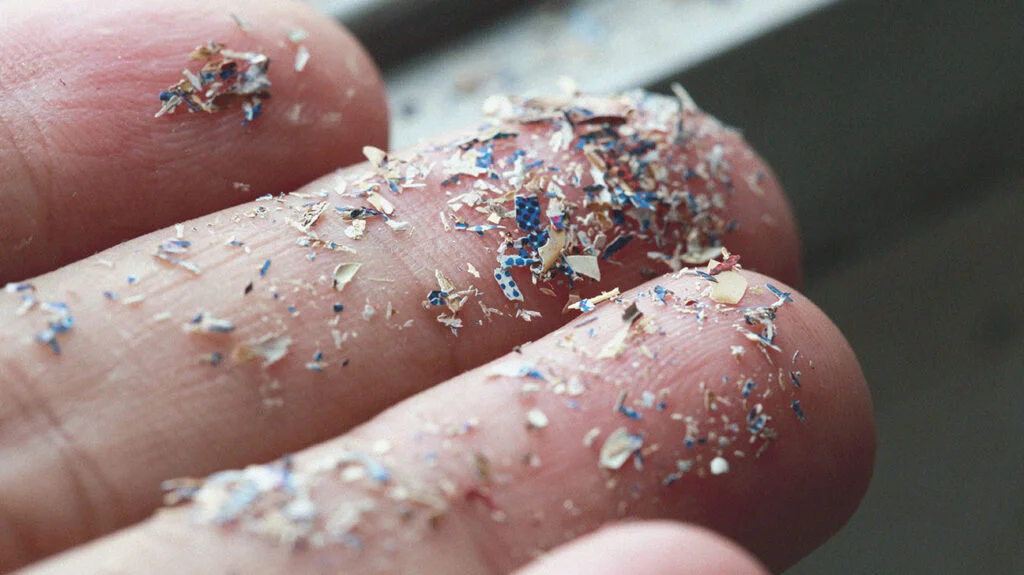
Published in the esteemed journal Toxicological Sciences, the study conducted by a team led by Dr. Matthew Campen has sent shockwaves through the scientific community. Out of 62 placenta samples meticulously tested, microplastics were discovered in every single one. These minuscule particles, measuring mere micrometers in size, were found at concentrations ranging from 6.5 to a staggering 790 micrograms per gram of tissue.
But what are microplastics, and how do they infiltrate the human body? Microplastics, fragments smaller than five millimeters in length, result from the degradation of larger plastic items or are intentionally manufactured for various purposes. They have insidiously permeated the environment, from the depths of the ocean to the air we breathe. And now, it seems, they have found their way into the womb, embedding themselves within the very fabric of human life.
Polyethylene, polyvinyl chloride (PVC), and nylon emerged as the predominant polymers detected within the placental tissue. These ubiquitous materials, used in everyday products like plastic bags and bottles, have surreptitiously seeped into the most intimate realms of our existence, raising profound questions about their potential impact on health and development.
Dr. Campen, a Regents’ Professor renowned for his expertise in pharmaceutical sciences, underscores the gravity of the situation. He warns that while the concentrations of microplastics may seem infinitesimal, their cumulative effect over time could have dire consequences for human health. Indeed, as the adage goes, “the dose makes the poison,” and with microplastics infiltrating even the sanctity of the placenta, no individual is immune from their insidious influence.
The methodology employed by the researchers to detect these elusive particles is as groundbreaking as it is meticulous. Through a process called saponification, the placental samples were chemically treated to extract fat and proteins, leaving behind a residue of plastic particles. These particles were then subjected to pyrolysis, a technique that involves heating the samples to high temperatures to release distinct gas emissions characteristic of different types of plastics. The result? A comprehensive analysis revealing the true extent of microplastic contamination in human tissue.
But the implications extend far beyond the confines of the laboratory. Plastic production has burgeoned exponentially since the mid-20th century, culminating in a global epidemic of plastic pollution. With approximately one metric ton of plastic waste generated per person on the planet, the ramifications for environmental and human health are profound.
Moreover, the longevity of plastics poses a particularly pernicious threat. Some plastics boast half-lives spanning centuries, persisting in the environment long after their intended use has ceased. As these plastics degrade, they release ever-increasing quantities of microplastics, perpetuating a cycle of contamination that shows no signs of abating.
Yet, amidst the ominous backdrop of plastic proliferation, glimmers of hope emerge from the laboratories of Osaka Metropolitan University. A pioneering team of researchers has developed a revolutionary artificial photosynthesis technology, heralding a potential solution to the plastic predicament. By harnessing renewable resources such as carbon dioxide and biomass-derived compounds, this innovative approach promises to produce biodegradable plastics with unparalleled efficiency and sustainability.
In a world besieged by the perils of plastic pollution, the discovery of microplastics in human placenta serves as a sobering reminder of the urgent need for action. From policymakers to individuals, each must play their part in confronting this ubiquitous threat head-on. For in the battle against microplastics, the stakes could not be higher: the sanctity of human health and the fate of our planet hang in the balance.
The Silent Threat: ‘Forever Chemicals’ Found in English Tap Water Deemed Carcinogenic by WHO
01/02/2024
In a nation where a refreshing glass of tap water is often taken for granted, a silent danger lurks within its crystal-clear depths. Recent revelations have sent shockwaves through England as the World Health Organization (WHO) has officially classified a substance found in hundreds of drinking water samples as carcinogenic. Meet perfluorooctanoic acid (PFOA), a member of the notorious family of “forever chemicals” that has stealthily infiltrated our water supply.

For years, PFOA has quietly coexisted with us, hiding in plain sight within various products, industrial processes, and even firefighting foams. Despite its banishment, PFOA’s persistence in the environment has persisted, contaminating our water sources and raising grave concerns about its impact on public health.
The WHO’s International Agency for Research on Cancer (IARC) has escalated PFOA to the highest level of concern, branding it as “carcinogenic to humans.” This sobering declaration underscores the urgency of addressing the pervasive threat posed by PFAS compounds like PFOA.
But how did we get here? The journey of PFOA from industrial applications to our drinking glasses is a tale of negligence and oversight. Despite mounting evidence linking PFAS chemicals to a litany of health ailments, regulatory action has lagged behind. While the European Union (EU) contemplates stringent regulations, England finds itself trailing in setting limits for these hazardous substances.
The ramifications of this regulatory gap are starkly evident in the alarming findings of the Drinking Water Inspectorate (DWI). With approximately 12,000 drinking water samples testing positive for PFAS compounds, the scale of contamination is staggering. High concentrations of PFOA and its cousin PFOS have breached safety thresholds, casting a shadow of doubt over the purity of our drinking water.
The situation is exacerbated by localized sources of contamination, such as the revelation of “extremely high levels” of PFOA in effluent from a chemicals company in Lancashire. This stark example underscores the urgent need for stricter oversight and accountability in preventing industrial pollutants from infiltrating our waterways.
The disparity between England’s water quality standards and those of its international counterparts is cause for concern. While the EU and Denmark have adopted more stringent limits, England’s thresholds remain comparatively lax. Calls from experts and advocacy groups to align with global standards resonate louder than ever, urging the government to prioritize public health over regulatory inertia.
The human toll of PFAS exposure is not confined to adulthood; it extends its insidious reach to the most vulnerable among us. Philippe Grandjean, a professor of environmental medicine, highlights the pernicious impact of PFAS chemicals on infants, transmitted from mothers to fetuses and excreted in breast milk. The consequences, ranging from elevated cholesterol to compromised immune systems, underscore the urgency of protecting future generations from this silent menace.
In response to mounting pressure, government officials assert England’s exceptional water quality standards while pledging ongoing efforts to assess and mitigate PFAS risks. Yet, as the specter of PFAS contamination looms large, mere assurances are no longer sufficient. Stakeholders across government, industry, and civil society must collaborate in implementing robust regulations and remediation strategies to safeguard our most precious resource – clean water.
The battle against ‘forever chemicals’ is not merely a technical challenge; it is a moral imperative. It demands unwavering commitment to the health and well-being of our communities, transcending bureaucratic hurdles and vested interests. As the WHO’s designation reverberates across the nation, it serves as a clarion call to action – a rallying cry for decisive measures to purge our water supply of carcinogenic contaminants and ensure a safer, healthier future for all.
Unveiling Nature’s Secret Weapon: Oak Powder’s Role in Tackling Microplastic Pollution
12/18/2023
Plastic pollution is an ever-growing menace to our planet’s health, infiltrating every corner of our ecosystems, from the depths of our oceans to the peaks of our mountains. Among the culprits, polystyrene (PS), commonly found in disposable containers, poses a particularly challenging threat. When exposed to water environments, PS readily disintegrates into insidious microplastic particles, infiltrating even the most pristine of natural habitats.

In the battle against this invisible enemy, researchers have long sought sustainable alternatives to chemical interventions. Enter oak powder, a seemingly unassuming natural substance with a remarkable ability to combat microplastic pollution. In a groundbreaking study published in Scientific Reports, Afsaneh Esmaeili Nasrabadi, Mohaddeseh Zahmatkesh Anbarani, and Ziaeddin Bonyadi unveiled the potential of oak powder as a potent weapon in the fight against PS microplastics.
The Quest for Sustainable Solutions
As the demand for plastic skyrockets globally, so too does the urgency to address its environmental repercussions. With plastic production projected to reach a staggering 445.25 million tons in 2025, finding sustainable solutions has become paramount. Traditional methods of plastic disposal, marred by inefficiency and environmental harm, have left scientists scrambling for alternatives.
One such alternative lies in the realm of natural coagulants. Unlike their chemical counterparts, which often come with a hefty environmental price tag, natural coagulants offer a promising eco-friendly solution. Among them, oak powder stands out for its abundance, affordability, and effectiveness.
Unveiling Oak Powder’s Potential
In their study, Nasrabadi, Anbarani, and Bonyadi set out to investigate the efficiency of oak powder as a natural coagulant for eliminating PS microplastics from aqueous solutions. Utilizing the Box-Behnken model, they meticulously examined various parameters, including PS concentration, pH, contact time, and oak dosage, to optimize the coagulation process.
Their findings were nothing short of remarkable. Through a series of rigorous experiments and meticulous analysis, they uncovered oak powder’s remarkable ability to remove PS microplastics from water environments. Achieving a maximum removal efficiency of 89.1%, oak powder emerged as a formidable contender in the fight against microplastic pollution.
Unraveling Nature’s Mechanisms
But how does oak powder achieve such impressive results? The answer lies in its unique composition and inherent properties. Rich in phenolic compounds and tannins, oak powder possesses a natural affinity for microplastics. Through a combination of surface adsorption and charge neutralization mechanisms, oak powder effectively traps and removes PS microplastics from aqueous solutions.
Characterization techniques such as FTIR, FESEM, and EDX provided invaluable insights into the interactions between oak powder and PS microplastics. From identifying chemical bonds to visualizing surface morphology, these techniques offered a glimpse into nature’s intricate mechanisms at play.
A Sustainable Future
The implications of this research extend far beyond the laboratory. By harnessing the power of oak powder, researchers have unlocked a sustainable solution to one of the most pressing environmental challenges of our time. With its eco-friendly nature and potent efficacy, oak powder has the potential to revolutionize the way we approach microplastic pollution.
As we stand at the brink of a plastic-laden future, the need for innovative solutions has never been more urgent. Through collaborative efforts and interdisciplinary research, we can harness the power of nature to safeguard our planet for generations to come. In oak powder, we find not only a solution to microplastic pollution but a beacon of hope for a more sustainable future.
Quantum Leap: Nobel Prize Honors Pioneers of Nanotechnology
11/11/2023
In a triumphant celebration of scientific ingenuity, the prestigious Nobel Prize in Chemistry for 2023 has been awarded to three trailblazing scientists whose groundbreaking work has sparked a revolution in nanotechnology. Moungi Bawendi, Louis Brus, and Alexey Ekimov have been recognized for their seminal contributions to the discovery and synthesis of quantum dots, miniature marvels that have unlocked a world of possibilities in fields ranging from consumer electronics to medicine.

Quantum dots, infinitesimal nanoparticles with extraordinary properties dictated by their size, have emerged as the unsung heroes of modern technology. These minuscule particles, akin to molecular building blocks, possess the remarkable ability to manipulate light and energy in ways previously unimaginable. Their applications span a vast spectrum, from enhancing the vividness of television screens and LED lamps to guiding surgeons with pinpoint accuracy in tumor removal surgeries.
The journey to this revolutionary breakthrough was paved with dedication, innovation, and a relentless pursuit of scientific excellence. It began with Alexey Ekimov’s pioneering experiments in tinted glass, where he uncovered the size-dependent properties of nano-materials, laying the groundwork for quantum dot research. His seminal discovery, published in 1981, illuminated the path for future explorations into the realm of quantum phenomena.
Building upon Ekimov’s foundational work, Louis Brus made pivotal strides in elucidating the optical properties of cadmium sulphide particles, unraveling the enigmatic world of quantum effects. His astute observations, conducted at Bell Laboratories in the US, provided crucial insights into the behavior of nanostructures, propelling the field of nanotechnology into uncharted territory.
Meanwhile, Moungi Bawendi’s groundbreaking advancements in chemical synthesis techniques revolutionized the production of quantum dots, enabling precise control over their size, shape, and quality. Bawendi’s visionary approach, coupled with his relentless pursuit of perfection, heralded a new era in nanoscience, where the boundaries of possibility were redefined with each meticulously crafted particle.
The official announcement of the Nobel Prize laureates came amidst a flurry of excitement and anticipation, albeit tinged with a hint of controversy. A leaked email to a Swedish newspaper inadvertently revealed the names of the recipients before the official declaration, sparking speculation and intrigue within the scientific community. Despite the unexpected twist, the integrity of the selection process remained unblemished, reaffirming the unwavering commitment to excellence upheld by the Nobel committee.
Upon receiving the prestigious accolade, the laureates expressed a mix of surprise, humility, and gratitude. Moungi Bawendi, awakened by the news, confessed to feeling “surprised, shocked, sleepy, and very honored,” acknowledging the collaborative efforts of fellow scientists who had contributed to the field. Louis Brus, although unreachable at the time of the announcement, undoubtedly shared in the elation of his esteemed colleagues, while Alexey Ekimov, reached by phone during a trip to Mexico, humbly accepted the honor bestowed upon him.
The significance of the Nobel Prize extends far beyond mere recognition; it serves as a testament to the transformative power of scientific inquiry and the boundless potential of human creativity. As Professor Gill Reid aptly remarked, the recognition of quantum dot research heralds a new era of innovation, where smaller, faster, and smarter devices hold the key to addressing some of society’s most pressing challenges.
In honoring the pioneering work of Bawendi, Brus, and Ekimov, the Nobel committee not only celebrates their individual achievements but also pays homage to the collaborative spirit that defines scientific progress. From laboratories across the globe to the halls of academia, their collective efforts serve as a beacon of inspiration for future generations of scientists, urging them to dare to dream and defy the limits of possibility.
As we stand on the threshold of a new era of discovery and innovation, propelled by the boundless potential of quantum dots, let us pause to celebrate the indomitable spirit of human curiosity and the relentless pursuit of knowledge that continues to illuminate our path forward. In honoring the visionaries who have paved the way, we honor the essence of science itself – a timeless quest for truth, driven by the insatiable curiosity of the human mind.