
How New Plastic-Eating Fungi Lead the Charge Against Pollution
06/18/2023
In the ceaseless battle against pollution, humanity’s search for allies takes a remarkable turn as scientists uncover nature’s unsung heroes: plastic-eating fungi. Nestled within the coastal salt marshes of China, these microscopic marvels hold the potential to revolutionize global waste management and breathe new life into our planet’s beleaguered ecosystems.
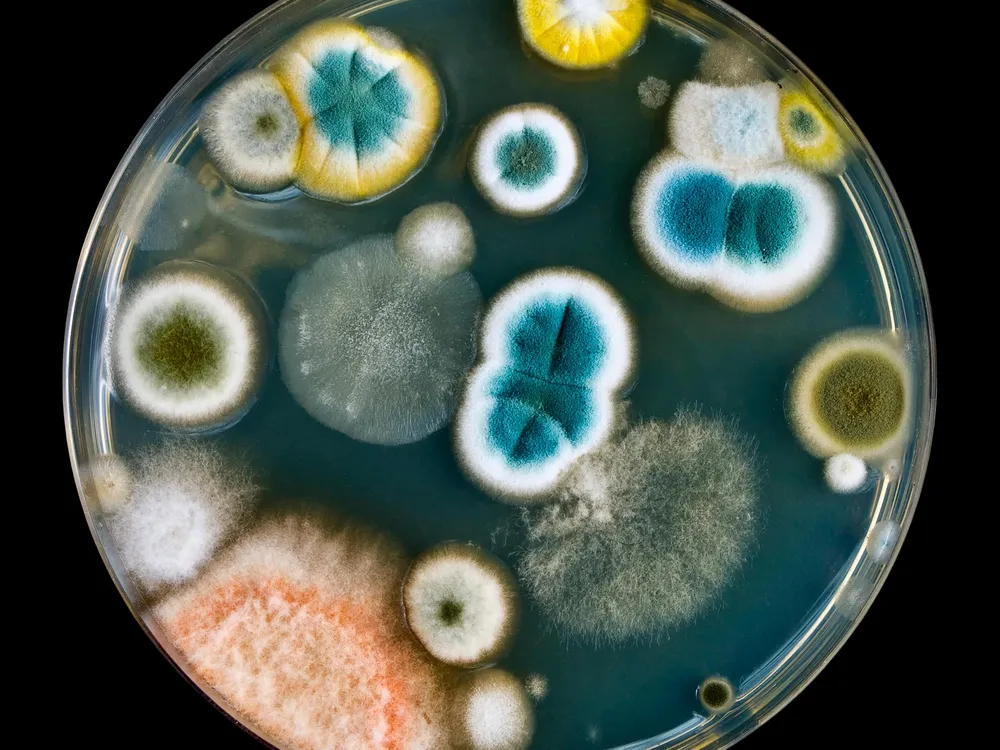
In a groundbreaking study published in the esteemed Journal of Hazardous Materials, an international team of researchers unveiled a treasure trove of 184 fungal and 55 bacterial strains capable of dismantling various plastics. Their expedition, anchored in China’s Jiangsu province, unearthed these microbial warriors in the unlikeliest of habitats – a UNESCO-protected site near the coast of the Yellow Sea.
What they discovered was beyond extraordinary. Amidst the plastic-laden shores of Dafeng, a distinct “terrestrial plastisphere” emerged – an ecosystem ingeniously adapted to thrive amidst the detritus of modern civilization. Here, plastics, with their longevity and hydrophobic surfaces, unwittingly fashioned a haven for fungi and bacteria, birthing what researchers describe as a ‘microbial reef.’
These resilient organisms, fueled by their indomitable spirit and an insatiable appetite for carbon, found sustenance in the synthetic polymers that pervaded their surroundings. Samples of plastic waste, collected with meticulous care, revealed a staggering diversity – seven types of petroleum-based polymers, each a testament to humanity’s ubiquitous footprint on the planet.
Among the trove of fungal champions, names like Fusarium and Neocosmospora emerged, heralding a new era in the fight against plastic pollution. These mighty adversaries, once known for their roles as plant pathogens, now stand poised at the vanguard of environmental stewardship, their enzymes honed through millennia of evolution ready to wage war against synthetic polymers like polycaprolactone (PCL).
Yet, this revelation is not merely a scientific curiosity; it is a beacon of hope in a world teetering on the brink of ecological collapse. As Kew Gardens aptly notes, scientists are increasingly turning to microorganisms – nature’s consummate recyclers – to tackle the pressing challenges of our time.
Indeed, the implications of this discovery are far-reaching. With over 436 species of fungi and bacteria now identified as plastic degraders, the stage is set for a paradigm shift in waste management. No longer beholden to the shackles of traditional recycling methods, humanity stands on the cusp of a bio-revolution, where enzymes crafted by nature herself offer a sustainable solution to our plastic predicament.
Enter Carbios, a French start-up at the vanguard of enzymatic recycling. Armed with the pioneering spirit of innovation, Carbios has unlocked the potential of microorganisms to breathe new life into discarded plastics, particularly PET. Their demonstration unit in Clermont-Ferrand stands as a testament to human ingenuity, showcasing the technical feasibility of enzymatic recycling in action.
In partnership with the Paul Pascal Research Centre, Carbios has accelerated its quest for new enzymes capable of breaking down a myriad of plastic polymers. Their microfluidic technology, a marvel of modern science, promises to expedite the screening process, reducing the time required to develop and produce these bio-catalysts.
With the commissioning of the first commercial plant slated for 2025, the promise of enzymatic recycling looms large on the horizon. No longer constrained by the limitations of traditional recycling methods, humanity stands poised to harness the power of nature’s alchemy, forging a path toward a more sustainable future.
As we stand on the precipice of change, let us heed the call of these plastic-eating fungi – the silent guardians of our planet’s fragile ecosystems. In their microscopic world, lies the blueprint for a brighter tomorrow, where innovation and collaboration converge to vanquish the scourge of plastic pollution once and for all.