
Gut Feelings: How Microbe-Nurturing Drugs Could Revolutionize Mental Health
04/13/2023
In the fascinating realm where gut feelings meet cutting-edge science, a profound connection between our digestive system and mental well-being is being unveiled. Picture this: a bustling community of microbes within your gut, not unlike tiny residents influencing the course of your thoughts and emotions. It might sound like the plot of a whimsical comic strip, but this concept is far from fiction. In fact, it could very well shape the future of mental health treatment.
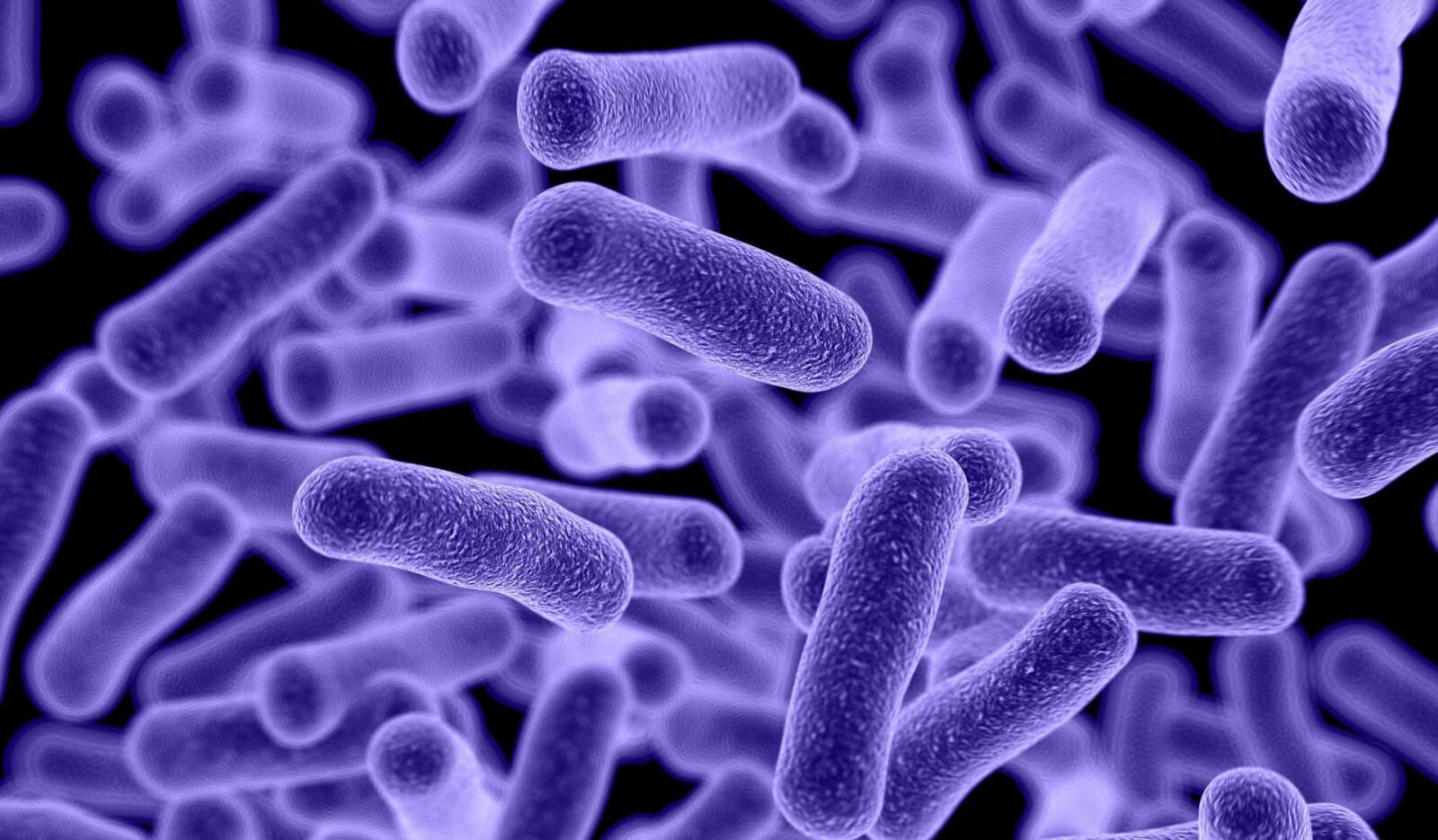
Scientists have long been intrigued by the intricate interplay between the gut and the brain, known as the gut-brain axis. This axis serves as a communication highway, where signals travel bidirectionally, influencing mood, cognition, and behavior. Recent research has uncovered the pivotal role of gut microbes in orchestrating this dialogue, offering promising avenues for novel therapeutic interventions.
Enter psychobiotics: a groundbreaking approach harnessing the power of beneficial gut bacteria to alleviate mental health disorders such as anxiety and depression. Imagine a world where instead of relying solely on traditional medication or therapy, we could manipulate our microbial communities to support our mental well-being. It may sound revolutionary, but the science behind it is compelling.
Studies have demonstrated that altering the composition of gut microbes, either by introducing specific strains or nurturing existing ones, can yield profound effects on mental health. For instance, experiments with germ-free mice have shown that inoculating them with “good” bacteria leads to reductions in stress, anxiety, and depression-like behaviors. These findings highlight the potential of psychobiotics as a novel therapeutic approach
But the journey from lab bench to bedside is not without its complexities. One major challenge lies in understanding the intricate relationship between gut microbes and the brain. Researchers are still deciphering which microbial strains influence specific mental health disorders and whether it’s the microbes themselves or the chemicals they produce that exert therapeutic effects
Moreover, individual variability in gut microbiomes adds another layer of complexity. Factors such as diet, inflammation, and genetics contribute to unique microbial compositions, emphasizing the need for personalized treatment approaches. Despite these challenges, the potential of psychobiotics to revolutionize mental health care cannot be overstated.
Excitingly, research is already yielding promising results. Studies have shown that dietary interventions aimed at promoting the growth of beneficial gut bacteria can lead to improvements in perceived stress and cognitive function. From fiber-rich foods to fermented delights like kimchi and kefir, the key to nurturing a healthy microbiome may lie in the foods we consume.
Additionally, prebiotics – substances that feed beneficial gut bacteria – have shown promise in enhancing problem-solving abilities in individuals with psychosis. These findings underscore the profound impact of diet on mental health and highlight the potential of dietary interventions as adjunct therapies for psychiatric conditions.
Looking ahead, the future of mental health treatment may very well be shaped by our understanding of the gut-brain axis. As researchers delve deeper into the mechanisms underlying this intricate relationship, the potential for novel therapeutic interventions continues to expand. From personalized psychobiotic regimens to dietary interventions tailored to individual microbiome profiles, the possibilities are endless.
In conclusion, the emerging field of psychobiotics offers a glimpse into a future where mental health care is as much about nurturing our gut microbes as it is about addressing psychological symptoms. As we unravel the mysteries of the gut-brain axis, we may find that the key to mental well-being lies within the trillions of microorganisms residing within us. So, the next time you have a gut feeling, remember: it might just be your microbes speaking to you.