
Unveiling the Hidden Dangers: Over 3,000 Potentially Harmful Chemicals Found in Food Packaging
02/12/2023
In our modern world, where convenience often reigns supreme, the packaging that encases our food is rarely given a second thought. Yet, beneath the shiny veneer of plastic and the reassuring labels lies a hidden truth – one that a recent study has brought to light with startling clarity. International experts, delving deep into the heart of food packaging materials, have uncovered a veritable Pandora’s box of over 3,000 potentially harmful chemicals, two-thirds of which were previously unknown to be in contact with our food.
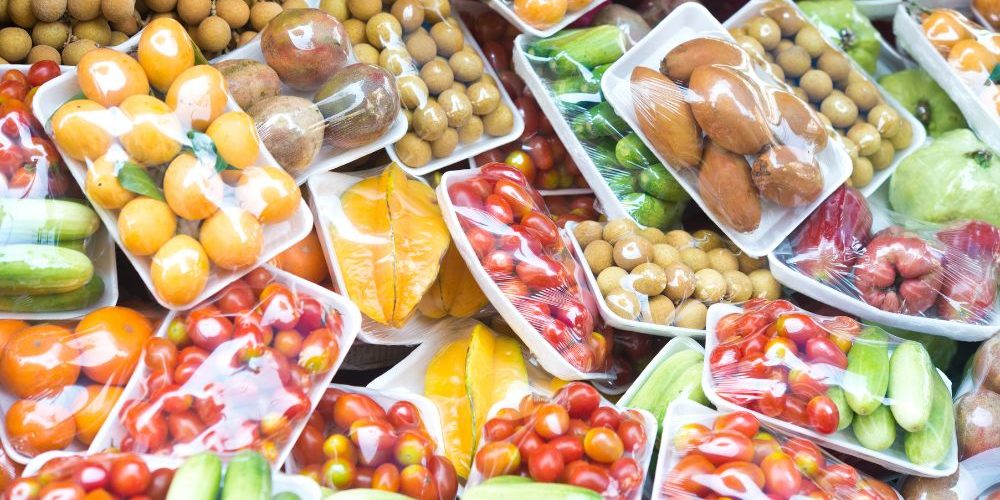
Published in the journal Critical Reviews in Food Science and Nutrition, this groundbreaking analysis scrutinized more than 1,200 scientific studies, revealing a concerning reality. From the plastic containers that hold our leftovers to the utensils we use for our meals, these chemicals lurk within the very fabric of our daily lives, their long-term impacts shrouded in uncertainty.
The implications of this revelation extend far beyond the realm of consumer convenience. As Pete Myers, founder and chief scientist of Environmental Health Sciences, aptly puts it, “If we don’t know what it is, we don’t know its toxicity.” Indeed, the sheer complexity of these chemical concoctions renders them a regulatory nightmare, with manufacturers either knowingly or unwittingly adding them to packaging and equipment.
The consequences of this pervasive presence of chemicals are not to be underestimated. With mounting concerns about exposure to toxic substances in our food and water, this study serves as a wake-up call. Known hazards such as phthalates and per- and polyfluoroalkyl substances (PFAS) have already been implicated in a litany of health problems, their insidious infiltration into our food supply raising red flags among researchers.
But it’s not just the familiar villains that pose a threat. The real danger lies in the unknown – in the vast array of chemicals whose effects remain shrouded in mystery. As Jessica Heiges, a doctoral candidate at UC Berkeley, points out, “The chemicals are terrifying because we don’t know what their impacts are.” It’s a sentiment echoed by Alastair Iles, an associate professor at UC Berkeley, who highlights the profound ignorance surrounding the risks posed by these everyday exposures.
Plastic, ubiquitous in our modern lives, emerges as a primary culprit in this chemical saga. Nearly two-thirds of the chemicals studied were found in plastic packaging, underscoring the urgent need for scrutiny and regulation in this domain. Yet, as the study reveals, the issue extends far beyond a single material or industry. From processing equipment to tableware, these chemicals pervade every facet of our food system, their presence a silent but potent threat to our health and well-being.
What makes these findings particularly alarming is the realization that consumers are largely in the dark about the chemicals leaching into their food. With only a third of the chemicals appearing in existing databases, the vast majority remain uncharted territory, their potential hazards lurking just beneath the surface.
So, where do we go from here? The answer lies in a concerted effort to shine a light on the shadows of our food system. From improved regulation to heightened consumer awareness, there’s much work to be done to safeguard our health in the face of this invisible menace. As the study’s authors caution, the time for complacency is over – it’s time to confront the hidden dangers lurking within our food packaging and take decisive action to protect ourselves and future generations from harm.