
Unlocking Nature’s Elegance: Silk Emerges as the Eco-Warrior Against Microplastics
08/28/2022
In the bustling realm of scientific innovation, where sustainability reigns supreme, a remarkable quest is underway to combat one of the planet’s most insidious foes: microplastics. As these minuscule pollutants infiltrate every corner of our environment, from the depths of the oceans to the air we breathe, the urgency to find greener alternatives has never been more palpable. Enter silk, nature’s age-old marvel, now poised to emerge as the champion in the battle against microplastics.
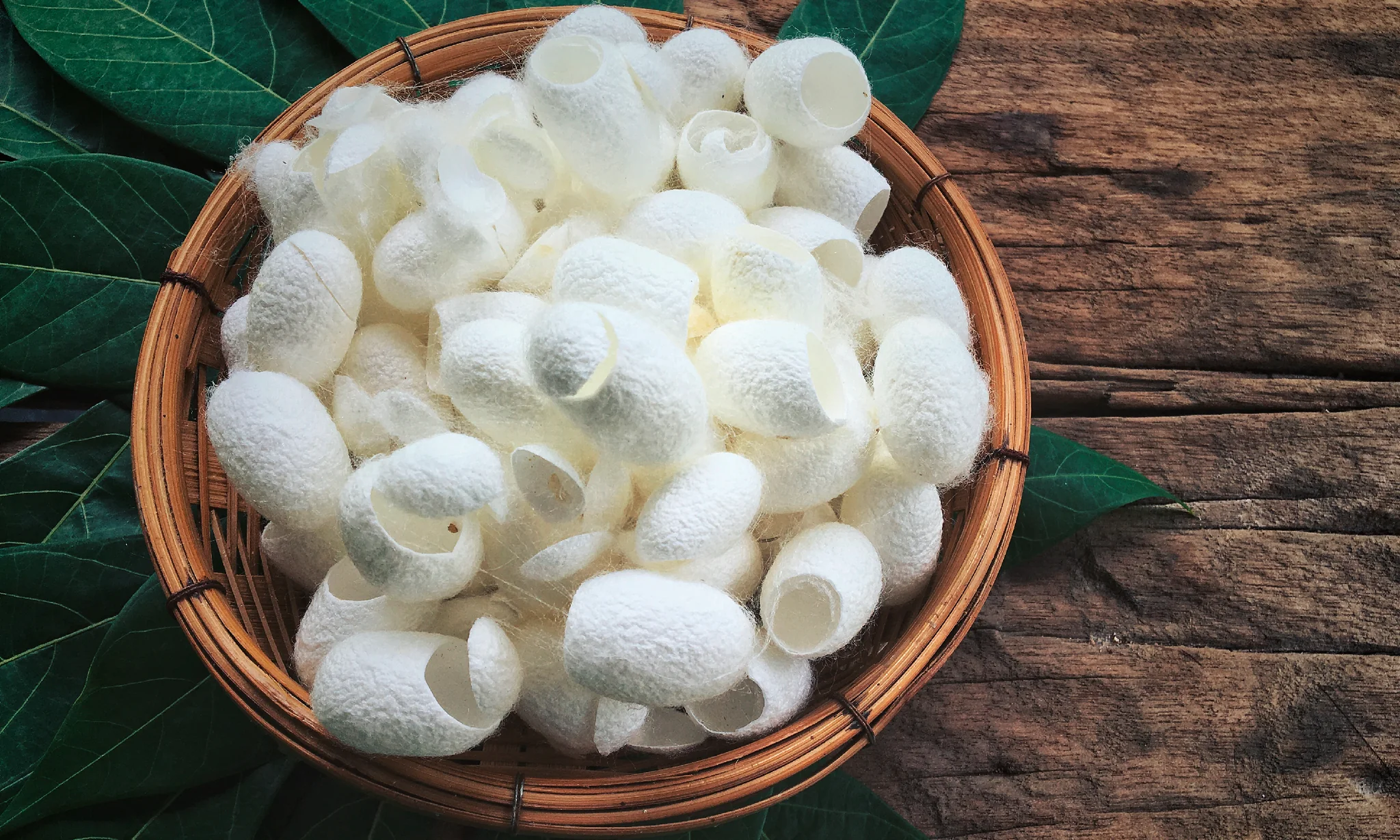
In a groundbreaking collaboration between the Massachusetts Institute of Technology (MIT) and BASF, researchers have unveiled a revolutionary approach harnessing the power of silk to supplant synthetic polymers in a myriad of applications. From paints to cosmetics, the versatility of silk knows no bounds, offering a sustainable solution that promises to revolutionize industries and safeguard our planet’s fragile ecosystems.
At the heart of this innovation lies the intrinsic properties of silk fibroins, the proteinaceous building blocks of silk. Unlike their plastic counterparts, silk fibroins boast an exquisite blend of insolubility in water coupled with biodegradability, rendering them an ideal candidate for encapsulating a wide array of substances without leaving a detrimental environmental footprint.
Through ingenious techniques such as spray drying and ultrasonic spray freeze drying, MIT engineers have unlocked the full potential of silk, fashioning intricate microcapsules with unparalleled precision. By meticulously manipulating the arrangement of silk polymer chains and integrating surfactants, these researchers have bestowed upon silk the ability to tailor its properties to suit diverse applications, be it hydrophobic coatings for water-repellent surfaces or hydrophilic formulations for moisture retention.
Yet, the beauty of silk lies not only in its eco-friendly credentials but also in its accessibility and scalability. With silk production currently dominated by China, the MIT-led endeavor offers a tantalizing prospect of decentralization, enabling regions worldwide to cultivate their own silk industries to meet local demand. By utilizing bulk silk or repurposing discarded fabric, this approach not only mitigates waste but also fosters economic empowerment in communities across the globe.
Moreover, the simplicity and compatibility of the silk encapsulation process with existing manufacturing infrastructure underscore its potential for seamless integration into established production lines. As Muchun Liu, a post-doctoral researcher at MIT and lead author of the study, attests, “The process is simple and can be implemented in existing factories,” paving the way for swift adoption on a commercial scale.
However, the journey towards silk’s ascendance as the premier alternative to microplastics is not without its challenges. Benedetto Marelli, MIT professor of civil and environmental engineering and co-author of the research, stresses the importance of achieving performance parity with synthetic polymers. In a world where efficacy is paramount, silk must prove its mettle by delivering outcomes that match, if not surpass, those of its plastic counterparts.
Indeed, the specter of microplastic pollution looms large, with intentional additives representing only a fraction of the problem. To address this multifaceted issue, Marelli emphasizes the need for diverse strategies tailored to different sources of pollution, recognizing that a singular solution cannot suffice in the face of such complexity.
In essence, the quest to harness silk as a greener alternative to microplastics transcends mere scientific endeavor; it embodies a collective commitment to preserving our planet for generations to come. As researchers continue to unravel the mysteries of silk and unlock its full potential, they beckon us into a future where sustainability and innovation intertwine, forging a path towards a cleaner, greener tomorrow.
In the intricate tapestry of scientific discovery, silk stands as a shimmering thread, weaving together the aspirations of humanity with the resilience of nature. And as we embark on this journey towards a more sustainable future, let us heed the call of silk, nature’s silent guardian, as it unfurls its wings and takes flight against the tide of microplastic pollution.