
Dutch Scientists’ Discovery: Microplastics Detected in Human Blood Raises Health Concerns
04/19/2022
Dutch scientists discovered microplastics in human blood for the first time, with nearly 80% of samples containing these particles. This finding raises concerns about health impacts and underscores the urgent need for further research and action on plastic pollution to safeguard human health and the environment.
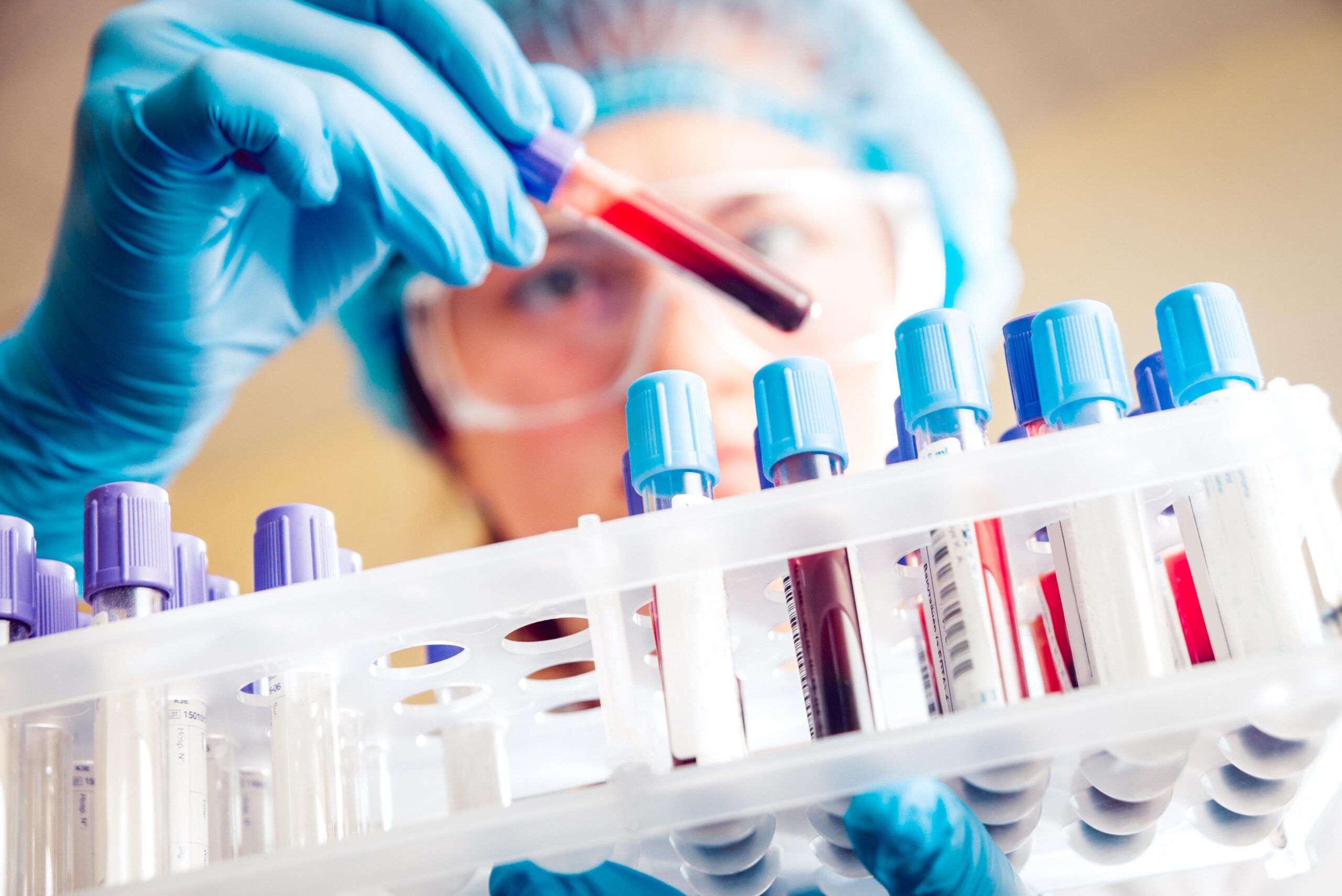
In a groundbreaking revelation, Dutch scientists have made a startling discovery – microplastics have infiltrated the human bloodstream. This unprecedented finding, published in the prestigious Environment International journal, marks the first documented instance of these ubiquitous plastic particles making their way into our very veins. With implications stretching far beyond the confines of laboratories, this discovery is ringing alarm bells for public health and environmental advocates alike.
Microplastics, those minuscule fragments of plastic measuring less than five millimeters in size, have long been a source of concern for environmentalists. From the deepest ocean trenches to the highest mountain peaks, these tiny particles have pervaded every corner of our planet. Now, it seems, they have breached the final frontier – the human body.
The study, led by ecotoxicologist Dick Vethaak from Vrije Universiteit Amsterdam, examined blood samples from 22 anonymous, healthy volunteers. What they found was nothing short of alarming – microplastics were present in quantifiable quantities in nearly 80% of the samples. PET plastic, commonly used in drink bottles, and polystyrene, found in disposable food containers, were among the most prevalent types detected.
The implications of this discovery are profound. For the first time, we are confronted with the reality that our bodies are not immune to the scourge of plastic pollution. But what does this mean for our health?
According to Vethaak, the presence of microplastics in human blood raises a myriad of questions about their potential impact on health. How do these particles interact with our bodily systems? Can they accumulate in organs, or even pass through the blood-brain barrier? The answers to these questions remain elusive, underscoring the urgent need for further research.
Moreover, the study highlights the myriad pathways through which microplastics may enter our bodies. Whether through ingestion, inhalation, or mucosal contact, these insidious particles find their way into our bloodstream, potentially wreaking havoc on our health. From contaminated food and water to everyday hygiene products, the sources of exposure are as varied as they are concerning.
Despite the small sample size of the study, experts agree that its findings are significant and warrant further investigation. Alice Horton, an anthropogenic contaminants scientist at Britain’s National Oceanography Centre, emphasized that the study unequivocally proves the presence of microplastics in human blood. Likewise, Fay Couceiro from the University of Portsmouth praised the study’s robustness and called for additional research to uncover the full extent of the problem.
But beyond the laboratory, what does this discovery mean for the broader fight against plastic pollution? As microplastics continue to infiltrate our environment and bodies, the need for action becomes more urgent than ever. Efforts to reduce plastic consumption, improve waste management practices, and develop sustainable alternatives are imperative if we are to stem the tide of plastic pollution and safeguard human health.
In the face of this sobering revelation, there is no room for complacency. The discovery of microplastics in human blood serves as a stark reminder of the interconnectedness of our world and the urgent need for collective action. Whether through advocacy, policy change, or individual behavior modification, each of us has a role to play in confronting this growing threat.
As we grapple with the implications of this discovery, one thing is abundantly clear – the time for action is now. From scientists and policymakers to individuals like you and me, we must come together to tackle the scourge of plastic pollution and ensure a healthier, more sustainable future for generations to come.