
Is Modern Life Poisoning Me? Understanding Chemical Exposure in Everyday Life
07/07/2021
In her investigative journey, Emily Holden explores the pervasive presence of potentially harmful chemicals in modern life. Through comprehensive tests and reflections on her upbringing in a polluted area, she unveils the body burden of chemicals and advocates for greater awareness and regulation to safeguard health and the environment.
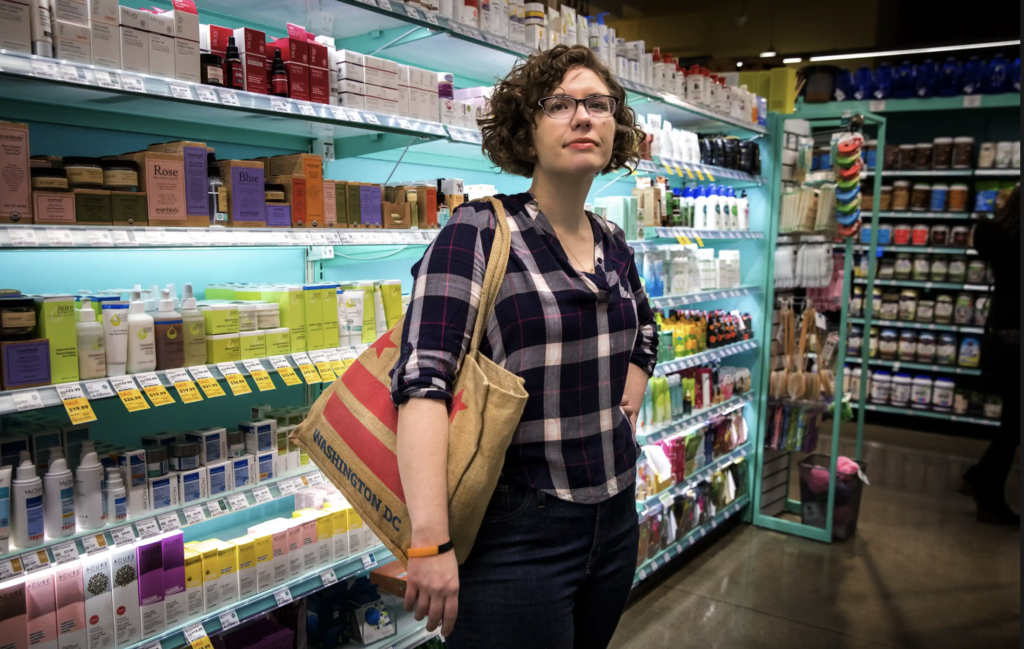
In the whirlwind of modern existence, amidst the convenience of plastics, the allure of cosmetics, and the comfort of processed foods, a nagging question persists: Is modern life poisoning us? This inquiry, both nuanced and urgent, delves into the heart of our daily interactions with synthetic chemicals, raising profound concerns about their potential impact on our health and well-being. Emily Holden, an intrepid environment reporter for The Guardian, embarked on a captivating journey to unravel the complexities of this issue, shedding light on the pervasive presence of potentially harmful substances in our environment.
Holden’s investigative odyssey commenced with a series of comprehensive tests, an endeavor aimed at quantifying her exposure to the myriad of chemicals lurking in our midst. Armed with a silicone wristband, meticulously designed to absorb volatile compounds from her surroundings, she embarked on a quest to uncover the invisible world of chemical exposure. The results were both revelatory and disquieting, unveiling a tapestry of chemicals present in her body, including phthalates, flame retardants, and an array of hazardous substances.
Her formative years spent in south Louisiana, an area beleaguered by industrial pollution and alarmingly high cancer rates, lent a poignant backdrop to her exploration. Reflecting on her childhood experiences, Holden recognized the insidious infiltration of chemicals into everyday life and the profound health implications they pose to individuals and communities alike.
At the heart of Holden’s inquiry lay the concept of “body burden,” a term denoting the cumulative effects of chemical exposure over time. Despite her conscientious efforts to lead a health-conscious lifestyle, she discovered that harmful chemicals permeate our environment, seeping into the air we breathe and the products we use on a daily basis.
The burgeoning field of exposomics emerged as a beacon of understanding, offering valuable insights into the long-term impact of chemical exposure on human health. Experts underscored the imperative for greater awareness and informed decision-making regarding consumer products. While regulations exist for some chemicals, many remain unregulated, leaving individuals vulnerable to potential harm.
Holden’s transformative journey prompted deep introspection on personal habits and consumer choices. Armed with newfound knowledge from her tests, she made deliberate adjustments to her lifestyle, eschewing products laden with harmful chemicals and prioritizing ventilation in her living spaces. Her story serves as a poignant reminder of the power of informed decision-making in safeguarding our health and well-being.
Ultimately, Holden’s experience raises profound questions about the safety of modern living and the urgent need for comprehensive testing and regulation of synthetic chemicals. As society grapples with the complexities of an increasingly chemical-laden world, awareness and education emerge as indispensable tools in fostering a healthier, more sustainable future for all. In the face of mounting evidence and growing concerns, it is incumbent upon individuals, policymakers, and industry stakeholders to collaborate in addressing this pressing issue and charting a path toward a brighter tomorrow.